Brush Clearing
Brush clearing is essential for fire risk reduction, site preparation, and improving property appearance, tailored to your land’s specific needs.
Why Brush Clearing Matters
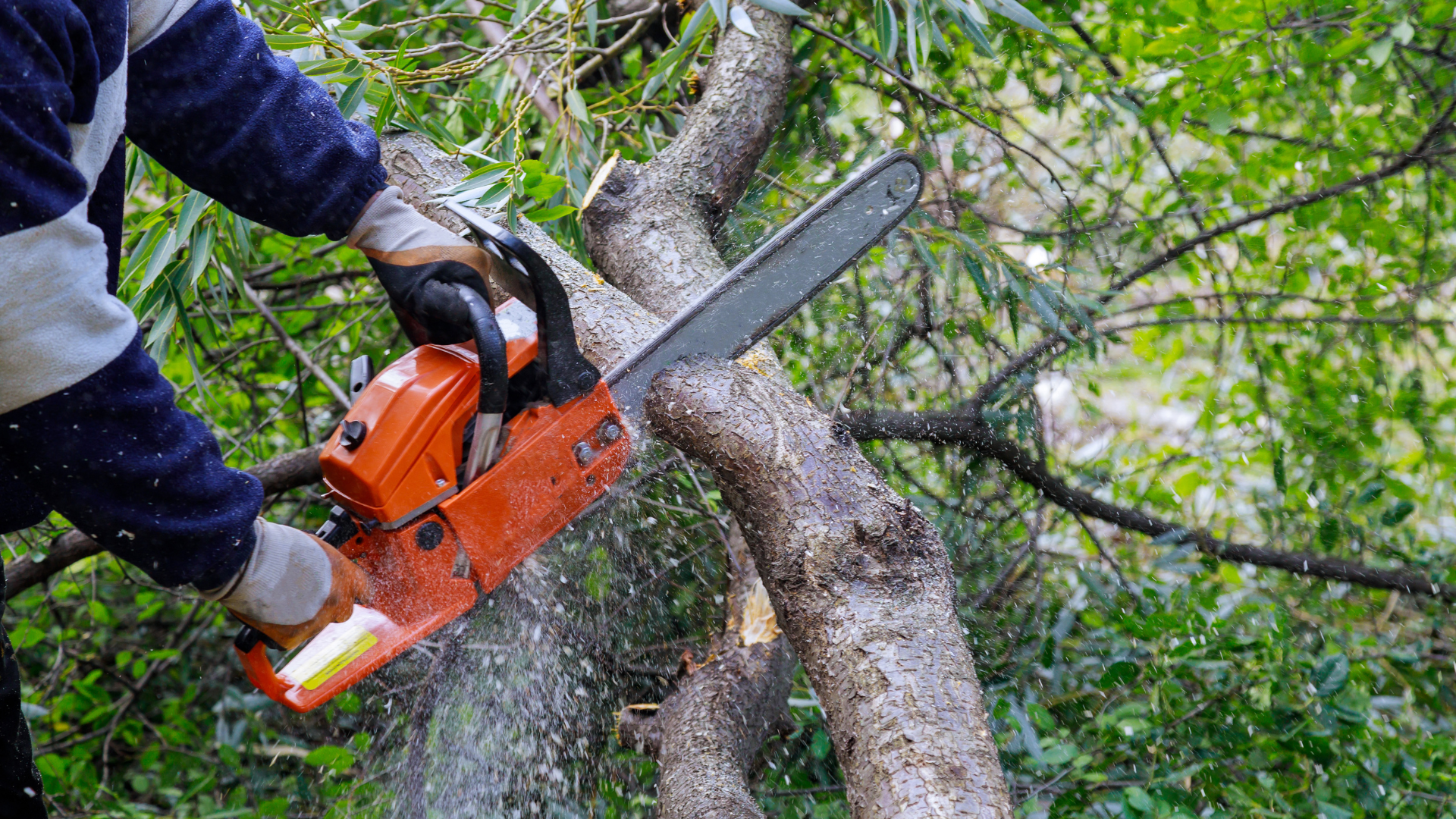
Key Benefits of Professional Brush Clearing
Reduced fire hazard
Improved access and safety
Enhanced aesthetics and property value
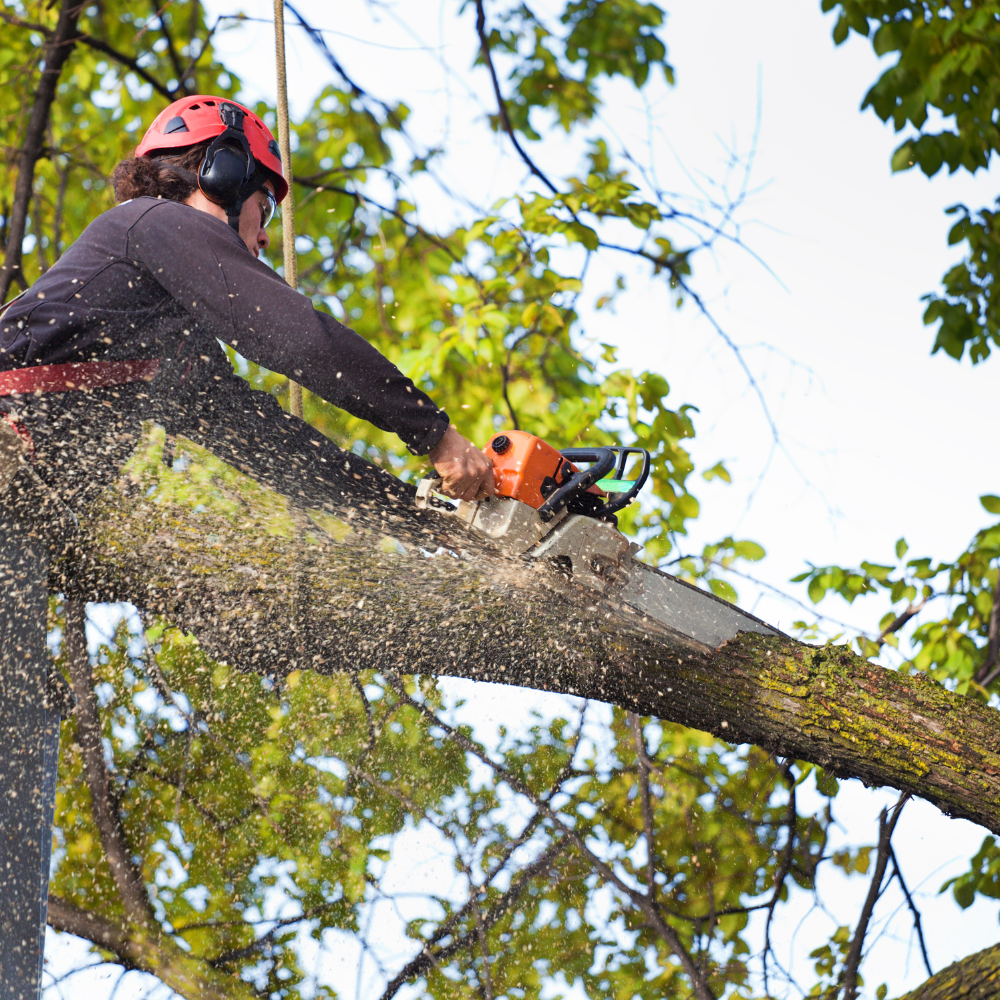
Controlled removal and disposal
Minimal environmental impact
How Our Brush Clearing Services Work
Use Cases for Brush Clearing
Use Case 1
Land preparation for construction, driveways, or utilities
Use Case 2
Pasture and fence line clearing to restore agricultural use
Use Case 3
Firebreak creation and defensible space for homes near wooded areas
Use Case 4
Trail creation and recreational land clearing
Use Case 5
Timber stand improvement by removing competing brush and small trees
Safety and Environmental Considerations
Frequently Asked Questions (FAQs)
How long does brush clearing take?
Duration depends on acreage, density, terrain, and disposal method. Small lots may be cleared in a day; larger tracts require multi-day planning. We provide a timeline in your estimate.
Do you remove invasive plants?
Yes. We remove invasive brush and can coordinate follow-up treatments to prevent regrowth, working with best management practices for the species involved.
Can you clear brush near water bodies?
Work near streams, wetlands, or lakes requires special precautions to prevent erosion and protect habitat. We follow local regulations and suggest buffer zones where appropriate.
How do you handle disposal?
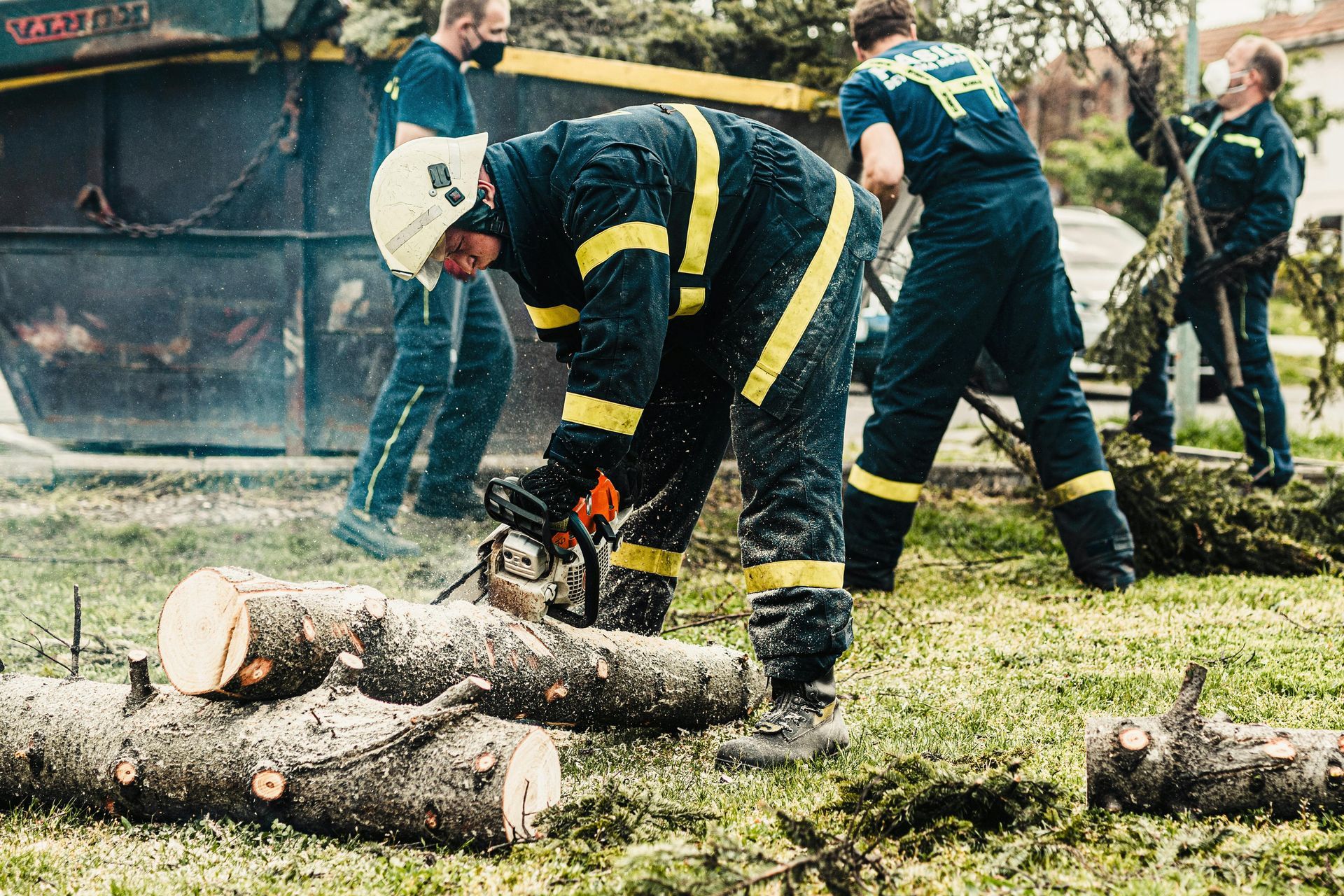
Options include chipping on-site, hauling to a designated disposal site, or creating burn piles if permitted. We discuss the best option during the site assessment and include disposal in the written estimate.
Will clearing harm the soil?
Improper clearing can cause compaction or erosion. We use practices to minimize soil disturbance and recommend post-clearing stabilization and seeding when necessary.
Cost and Scheduling Considerations
Written Estimates After Site Visit
Costs depend on acreage, brush density, terrain slope, access, and disposal needs. Scheduling is based on priority and seasonal factors.
Contact and Call to Action
For professional brush clearing that improves safety and property value, call Fts Tree Service at (320) 808-9045 to arrange an assessment. We’ll provide a written plan and discuss disposal and restoration options.